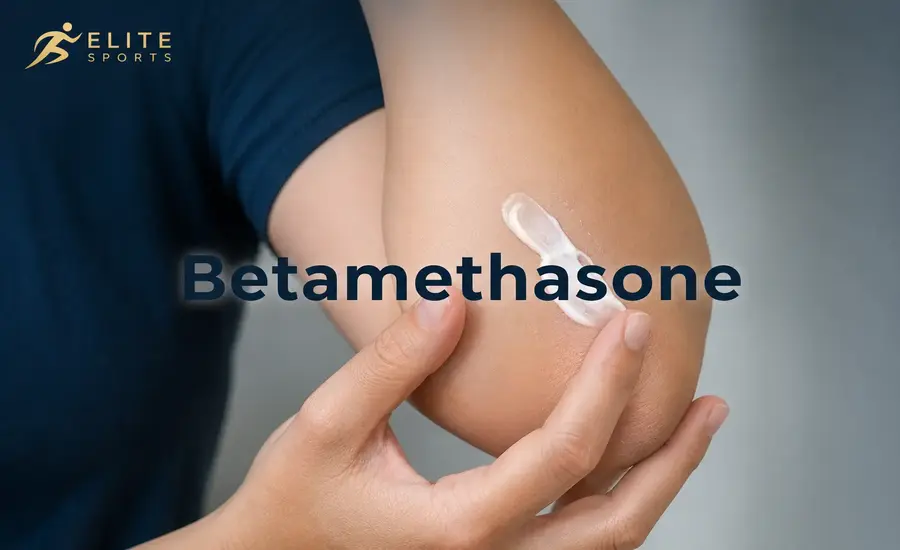
Betamethasone topical is a prescription-strength corticosteroid used to calm inflamed, itchy, and irritated skin. It is commonly prescribed for conditions such as eczema, dermatitis, allergic rashes, and psoriasis, where reducing inflammation can improve comfort and help the skin heal faster. Because it is a strong steroid medication, it should be used exactly as directed and only for the recommended duration.
What Betamethasone Topical Is
Betamethasone topical belongs to a class of medicines called corticosteroids, which work by lowering inflammation in the skin. It is available in different forms such as cream, ointment, lotion, and foam, and the exact product may vary by strength and brand. In simple terms, it helps quiet the skin’s overactive immune response, which is why it is often used for flare-ups that cause redness, itching, scaling, and irritation.
Common Uses
Doctors prescribe betamethasone topical for several inflammatory skin conditions, especially when milder treatments are not enough. It is often used for eczema, contact dermatitis, allergic dermatitis, seborrheic dermatitis, and psoriasis, as well as other steroid-responsive rashes. The goal is to reduce symptoms like swelling, itching, dryness, and thickened skin while improving the skin barrier over time.
How It Works
Betamethasone works by decreasing the production of substances in the body that trigger inflammation. This reduces the immune activity that causes skin redness, heat, itching, and swelling. As a result, the skin usually feels less irritated and looks calmer, which can make daily activities and sleep easier during a flare.
How To Use It
Betamethasone topical should be applied only to the affected area in a thin layer, usually once or twice daily depending on the prescription instructions. Wash and dry your hands before and after use unless the hands are the area being treated, and avoid getting the medicine in the eyes, mouth, nose, or other sensitive areas unless your doctor specifically tells you to do so. Using more than directed or applying it for longer than prescribed can increase the risk of side effects.
Side Effects
Like all corticosteroids, betamethasone topical can cause side effects. Common skin-related reactions include burning, itching, irritation, stinging, redness, dryness, acne-like bumps, unwanted hair growth, skin color changes, bruising, shiny skin, rash around the mouth, skin thinning, stretch marks, and infections at the application site. More serious effects can happen if the medicine is used on large areas, under tight coverings, on damaged skin, or for long periods, because the steroid can be absorbed through the skin and affect the body more broadly.
Signs that need attention
- Skin thinning or easy bruising.
- Worsening redness, burning, or rash.
- Signs of skin infection, such as pus, increasing pain, or warmth.
- Acne-like bumps or rash around the mouth.
- Unusual lightening of the skin.
Important Warnings
Betamethasone topical should be used carefully because strong corticosteroids can sometimes suppress the adrenal glands, especially when used over large skin areas, under occlusive dressings, or with other steroid medicines. This can reduce the body’s own cortisol production and may become more serious if the person is under physical stress such as surgery, fever, or trauma. It is also important not to use it on untreated skin infections unless a doctor advises it, because steroids can sometimes worsen certain infections.
Precautions And Safety
People who are pregnant, breastfeeding, treating young children, or applying the medicine to sensitive skin areas should speak with a healthcare professional before use. Extra caution is needed with facial skin, groin, underarms, broken skin, and large body areas because absorption may be higher and side effects may be more likely. It is also wise to avoid long-term self-treatment, since topical steroid overuse can lead to dependency-like rebound symptoms and skin damage.
Best practices
- Use the smallest amount needed for the shortest time recommended.
- Do not cover the treated area unless instructed by a doctor.
- Avoid applying it to unaffected skin.
- Tell your doctor if the rash worsens instead of improving.
- Follow the exact strength and schedule on the prescription label.
Betamethasone And Skin Conditions
For eczema and dermatitis, betamethasone can reduce flare-related redness and itching, making the skin less inflamed and more comfortable. For psoriasis, it may help flatten thick plaques and reduce scaling, especially when combined with other treatments in a doctor-supervised plan. Because inflammatory skin conditions often return, many patients use topical steroids as short-term control rather than as a permanent daily solution.
When To Call A Doctor
You should contact a doctor if the rash does not improve after using betamethasone as directed, if it spreads, or if signs of infection appear. Medical advice is also important if you notice severe skin irritation, thinning skin, unusual bruising, or symptoms that could suggest adrenal suppression such as unusual fatigue or weakness. Any reaction that feels strong, persistent, or different from the original skin problem should be reviewed promptly.
Long-Term Use Concerns
Using betamethasone too often or for too long can lead to skin atrophy, stretch marks, visible small blood vessels, and delayed healing. Since it is a potent topical steroid, long-term or repeated use without supervision may also raise the risk of hormone-related effects in the body. For this reason, many clinicians recommend using it as part of a planned treatment strategy rather than as an everyday all-purpose cream.
Practical Tips For Better Results
Applying the medicine exactly as prescribed usually gives the best balance of relief and safety. It helps to start treatment early in a flare, keep the skin moisturized with a gentle fragrance-free emollient, avoid triggers such as harsh soaps or allergens, and reassess the condition if symptoms keep returning. In many cases, good skin care plus short courses of topical steroid treatment can control inflammation more effectively than relying on the medication alone.
Conclusion
Betamethasone topical is an effective prescription steroid for reducing inflammation, itching, and redness in many common skin conditions. Used correctly, it can provide fast relief, but because it is a strong corticosteroid, it must be handled carefully to avoid skin damage and broader side effects.